
Gran Canaria is een van de Canarische Eilanden, die ongeveer 150km ten westen van Marokko in de Atlantische Oceaan ligt. Hoewel Gran Canaria niet het grootste eiland van de groep is, staat het wel bekend om zijn mooie stranden, heerlijk weer, en indrukwekkend vulkanisch landschap. Met een uitgebreid wegennetwerk is de beste manier om het eiland te ontdekken per huurauto. Zo kun je de ene dag op het strand liggen, op de andere de auto nemen en gaan wandelen in het park rond de vulkanische rots Roque Nublo, met als tussendoortje heerlijk tapas eten!
Gran Canaria heeft maar één luchthaven. Dit zal dan ook voor de meeste reizigers de beste plek zijn om een auto te huren. Er zijn verschillende keuzes, van bekende internationale bedrijven zoals Goedkoperautohuur.nl en Avis tot lokale aanbieders als CICAR. Een beetje online speurwerk voor vertrek kan je al snel inzicht geven in welke aanbieder de beste deal voor jou heeft. Als je eenmaal in je huurauto stapt ben je gemakkelijk verbonden met de rest van het eiland: via de GC-1 snelweg kun je naar het zuidwesten en het noordoosten doorrijden.
Populaire plekken om te verblijven
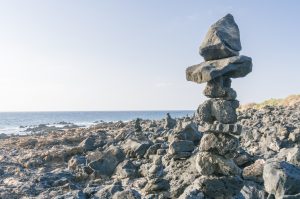 De meeste toeristen verblijven in badplaatsen zoals Maspalomas, Playa del Inglés, en Puerto Rico. Deze plekken hebben allemaal een prachtige strand en veel uitgaansgelegenheden, maar ieder heeft een iets ander karakter. Maspalomas is de oudste badplaats en bestaat grotendeels uit vakantiewoningen, met prachtige duinen en een lagune en de bekende El Faro vuurtoren die in veel toeristenfoto’s terugkomt. Playa del Inglés is een van de drukstbezochte stranden en biedt veel watersportactiviteiten. Puerto Rico is iets rustiger, en biedt ook vis- en walvistochten aan. Alle drie de stadjes zijn met de GC-1 snelweg verbonden.
Las Palmas is de hoofdstad van het eiland en heeft een kosmopolitische sfeer met invloeden uit Afrika, India, en China. Voor mensen die liever de drukke toeristenoorden vermijden, is het een mooie uitvalsbasis. In de stad zelf is het de moeite waard om een wandeling door de oude wijk Vegueta te nemen en een van de vele tapas restaurants te bezoeken. De cathedraal van Santa Ana is ook een bekend monument. Net buiten de stad ligt de Jardín Botánico Canario Viera y Clavijo, een prachtige botanische tuin die een uitstapje waard is.
Dagjes uit op het eiland
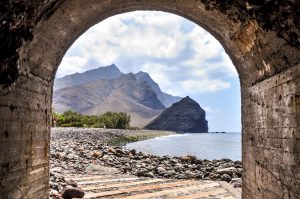 Of je nou in de toeristenoorden of in de stad verblijft, er zijn overal locatie’s om een auto te huren. Het is dus ook mogelijk om er maar voor enkele dagen een te nemen, zodat je toch nog een ander deel van het eiland kunt zien. Een mooie tocht is om richting Roque Nublo in het midden van het eiland te rijden, via de GC-60 kom je dan ook langs leuke dorpjes met klassiek Canarisch karakter zoals Tejeda. De perfecte plek om te lunchen voordat je het rode vulkanische landschap van het park betreedt.
Het grootste contrast per auto is tussen de stranden van de kust en de kleine bergdorpjes. Rij wel voorzichtig, want sommige wegen kunnen smal en steil zijn. Hou je altijd aan de snelheidslimieten. Het is ook leuk om een route langs het oosten of het noorden van het eiland te maken. De officiële website van Gran Canaria heeft een aantal mooie uitgestippelde routes die gemakkelijk met de auto te volgen zijn en die langs de meeste bezienswaardigheden van het eiland gaan. Voor meer informatie hierover, klik je hier.
Een klein rond eiland vol mogelijkheden
Of je nou een strandvakantie hebt geboekt of hebt gekozen om in Las Palmas te verblijven (net zoals Christoffel Columbus in 1492!), met een huurauto heb je de optie om makkelijk en comfortabel het beste van Gran Canaria te ervaren. Je kunt via de GC-1 veel leuke dorpjes aan de kust bezoeken, of je kunt kiezen om binnendoor te rijden en de bergen te bewonderen. Gran Canaria is een klein rond eiland, maar een veelzijdige bestemming! Met veel huurautobedrijven op het vliegveld en in alle toeristische plaatsen aanwezig, stap je zo in de auto!